
Events / Upcoming
Vision Health Canada’s 2026 Conference Series
One Voice. Clear Focus. Collective Action.
Vision Health Canada’s premier conference series is home in Toronto.
Join the vision health community in gaining crucial insights into the childhood myopia epidemic and Stargardt disease.
Don’t delay, in-person seating is limited. Early registration is recommended. Secure your seat at the table: REGISTER TODAY!
Important Notice: All Vision Health Canada Conferences will now start at 9:00 a.m. with doors opening for breakfast at 8:15 a.m.
World Sight Day Conference 2026
Thursday, October 8, 2026

Toronto Public Reference Library, Bram & Bluma Appel Salon, 789 Yonge Street, Toronto, Ontario (east side of Yonge, just north of Bloor)
9:00 a.m. to 3:30 p.m.
Doors open at 8:15 a.m. for a complimentary continental breakfast. Lunch will also be served.
Vision Health Canada, now in partnership with Vision Loss Rehabilitation Canada, can offer ACVREP™ continuing education credits to certified conference registrants.

Theme: Stargardt Disease and the Growing Myopia Epidemic in Children
Program Highlights:
A clinician’s perspective on Stargardt disease, including its impact on people of all ages, current treatments, and emerging therapies in development.
Morning keynote speaker Martha Steele, Executive Producer of Seeing Stars, discusses the making of the film.
Screen actor Ellen Gould introduces Seeing Stars, a musical film that opens the lens on a world seldom seen from the inside. Gould, the writer, composer, and solo performer, inhabits the stories of five women like herself who became legally blind from Stargardt disease early in life.
Interview with Seeing Stars star Ellen Gould.
Suzanne Decary, Senior Vice President, Programs at CNIB, discusses how early detection of eye disease and access to the right supports can shape a child’s life.
Larissa Proctor, Executive Director, Advocacy at CNIB, shares her lived experience and leads us through her misdiagnosis, highlighting how behind every policy conversation are real people and real experiences.
A clinical overview on myopia from Specsavers team members, Dr. Tracy Weng O.D, Head of Clinical Development and Sakia Kiefte (Qualified Optometrist), Clinical Support Consultant Ontario.
Afternoon keynote speaker Dr. Deborah Jones, Clinical Professor at the University of Waterloo’s School of Optometry & Vision Science and Lead Clinical Scientist at the Centre for Ocular Research & Education, discusses the epidemic of childhood myopia, the importance of early intervention, and the relationship between vision and educational performance.
Dr. Keith Gordon discusses a proposal for reintroducing government funding of comprehensive vision care in Ontario: Dr. Keith Gordon, Vice President, Research, Vision Health Canada.
Michelle Owen, Director, Access to Care Division, Health Canada leads a discussion on the National Strategy for Eye Care, as mandated by Bill C-284, including recommendations, potential regulations, and the case for government funding.
Dr. Winnie Yu speaks on the impact of delisting public funding for routine eye exams on the prevalence of common ocular conditions in Ontario, Canada.
The final program schedule will be available on September 24, two weeks prior to the conference.
Vision Health Month Conference 2026 (Re-Scheduled)
Wednesday, November 4, 2026
North York Central Library, located in North York City Centre, 5120 Yonge St., North York, Ontario
9:00 a.m. to 3:30 p.m.
Doors open at 8:15 a.m. for a complimentary continental breakfast. Lunch will also be served.
Vision Health Canada, now in partnership with Vision Loss Rehabilitation Canada, can offer ACVREP™ continuing education credits for certified conference registrants.
Theme: Diabetes and Diabetic Retinal Disease
Program Highlights:
Clinical overviews on diabetes and diabetic retinopathy (DR).
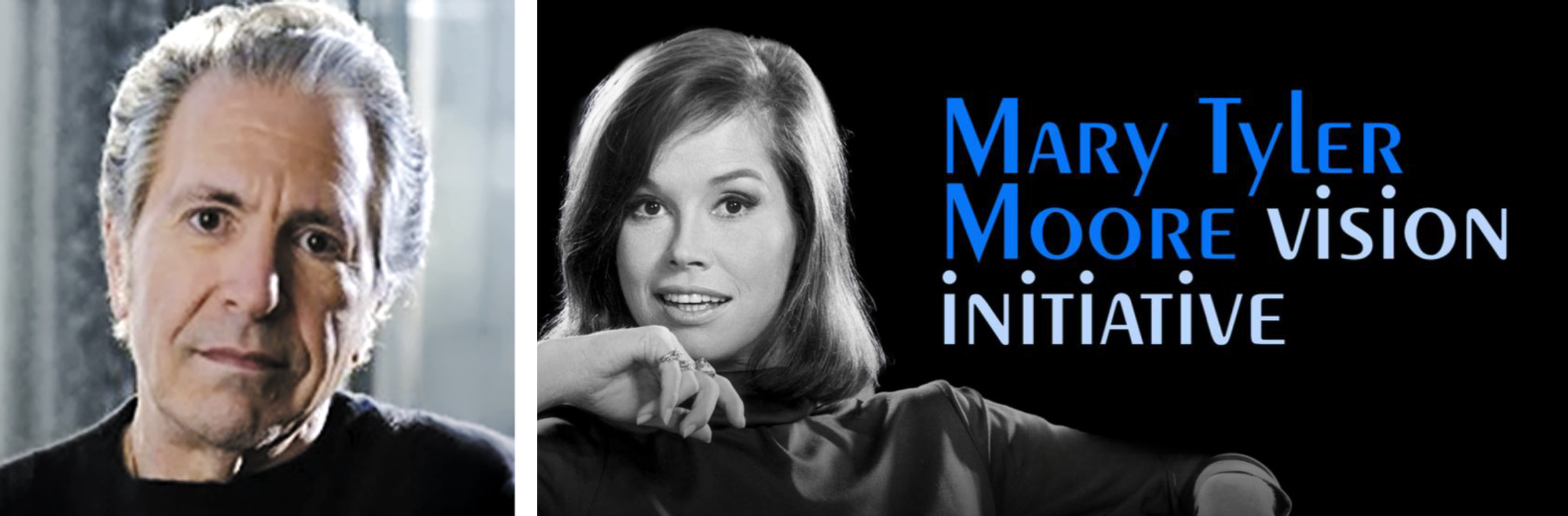
Keynote speaker Dr. Robert Levine, Founder and CEO of the Mary Tyler Moore Vision Initiative (MTM Vision), leads a discussion on diabetes and diabetic retinopathy, as well as MTM Vision’s work toward a world without vision loss caused by diabetes.
Dr. David Wong, Ophthalmologist-in-Chief at St. Michael’s Hospital (Unity Health Toronto), discusses the current research landscape of diabetic retinal disease in Canada, including therapies and modalities currently under development for treatment and early diagnosis of DR.
Josie McGee, Vice-President of Healthcare Innovation at Vision Loss Rehabilitation Canada, discusses the use of screening tools for early diagnosis of DR.
An update on Vision Health Canada’s Prospective Ocular Screening Study, under the direction of its research faculty team at the Department of Ophthalmology & Vision Sciences, Temerty Faculty of Medicine, at the University of Toronto, which is investigating sight-threatening conditions in Ontario, Canada.
The final program schedule will be available on October 21, two weeks prior to the conference.
Presenting Vision Health Canada’s
2027 Conference Series
One Voice. Clear Focus. Collective Action.
AMD and Low Vision Awareness Month Conference 2027
Thursday, February 25, 2027
Toronto Public Reference Library, Bram & Bluma Appel Salon, 789 Yonge Street, Toronto, Ontario (east side of Yonge, just north of Bloor)
9:00 a.m. to 3:30 p.m.
Doors open at 8:15 a.m. for a complimentary continental breakfast. Lunch will also be served.

Theme: Understanding Glaucoma and How Patients Navigate the Healthcare System
Program Highlights:
An in-depth look at glaucoma, including treatments, medications, surgery, new devices, and the use of eye drops.
Discussions led by doctors specializing in glaucoma care and treatment.
A patient panel sharing lived experiences with glaucoma and navigating vision loss.
An overview of Vision Health Canada’s report on how patients living with blindness and partial sight interact with the healthcare system.
Healthy Vision Month Conference 2027
Thursday, May 13, 2027
Toronto Public Reference Library, Bram & Bluma Appel Salon, 789 Yonge Street, Toronto, Ontario (east side of Yonge, just north of Bloor)
9:00 a.m. to 3:30 p.m.
Doors open at 8:15 a.m. for a complimentary continental breakfast. Lunch will also be served.

Theme: Important Advances in Vision Health
Program Highlights:
A comprehensive look at the advancement and use of medical devices in Ophthalmology and Optometry.
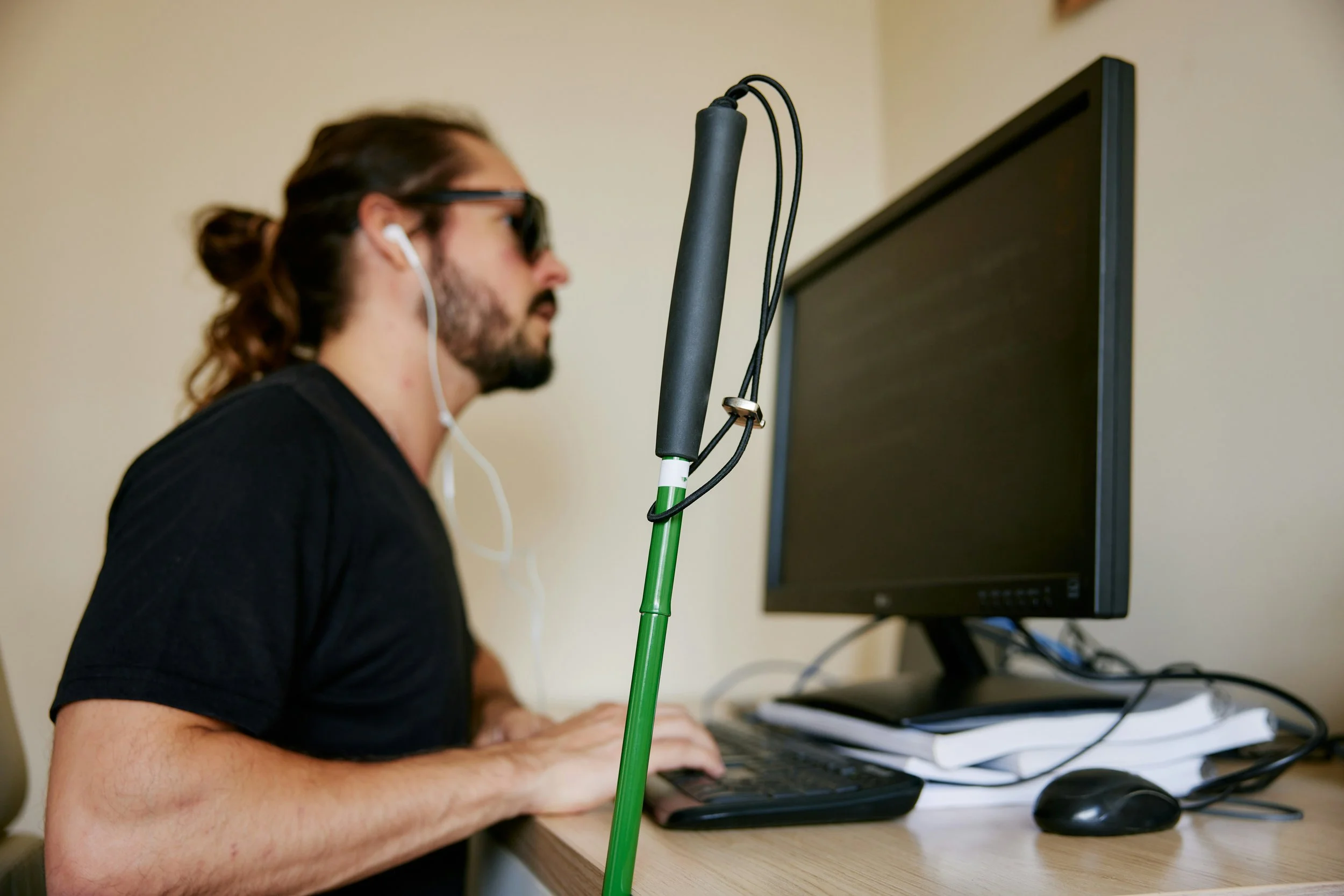
How assistive technologies are providing increased accessibility, independence and a better quality of life for blind and partially sighted Canadians.
The impact of biosimilar medications on the treatment of eye disease.
Addressing the impact of AI in diagnosis, treatment and prognosis in eye care.
World Sight Day Conference 2027
Thursday, October 14, 2027
Toronto Public Reference Library, Bram & Bluma Appel Salon, 789 Yonge Street, Toronto, Ontario (east side of Yonge, just north of Bloor)
9:00 a.m. to 3:30 p.m.
Doors open at 8:15 a.m. for a complimentary continental breakfast. Lunch will also be served.
Theme: To Be Announced
Vision Health Canada
Vision Health Canada (VHC) is committed to advocating for a future without vision barriers. This will be achieved through ongoing collaborative leadership in policy reform, research, advocating for improved treatments, technological innovation, and community empowerment, all while working to position Canada as a global leader in achieving vision health equity. VHC is dedicated to supporting those with lived experience — our families, our friends, our neighbours, and our co-workers who are blind, DeafBlind, or partially sighted — to ensure a quality of life equivalent to that of our fellow Canadians and to transform vision health across Canada.
During our 2026 conference series, VHC has moved beyond just discussion to deliver practical strategies based on the latest data and driven by a shared commitment with our community to a future where no Canadian faces preventable blindness. Together, we will continue to spark the translation of research into practice and policy into action.